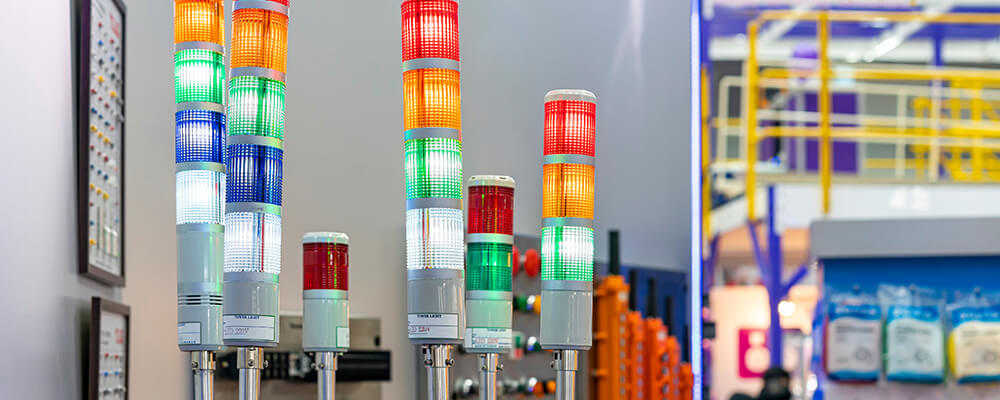
Advanced Safety Integrity Level (SIL) Selection (EC52) builds on the foundation laid in ISA's Safety Instrumented Systems: A Lifecycle Approach (EC50) and explores examples of SIL selection, using various techniques and methods to determine risk-reduction requirements. Students will be better able to save their company's time and money by knowing how to optimize system performance requirements.
Required Prerequisite
Successful completion of ISA Safety Instrumented Systems: A Lifecycle Approach (EC50) and a passing grade for the ISA Certificate Safety Instrumented Systems Certificate exam are required prerequisites for EC52.
View Offerings by Format
Classroom (EC52)Length: 2 days |
Virtual Classroom (EC52V)Length: 2 days |
Visit our course formats page for a detailed description of each format.
Learning Objectives
- Design and implement different SIL selection techniques
- Review the risk matrix, risk graph
- Explore the LOPA
- Determine the appropriate level of performance needed for your safety systems
- Examine the consequences of over- or under-designing the system requirements
Topics Covered
- Prevention of system requirements over- or under-design
- Determination of the appropriate level of performance needed for your safety systems
- SIL selection hands-on examples
- 3-Dimensional risk matrix
- Risk graph
- LOPA
- Modified (implicit) LOPA
Resource Included
ISA/IEC 61511 series of standards will be provided for use during the course.
Recommended Resource
Safety Integrity Level Selection: Systematic Methods Including Layer of Protection Analysis by Edward M. Marszal | Dr. Eric W. Scharpf